
Newsletter Subscribe
Enter your email address below and subscribe to our newsletter
Enter your email address below and subscribe to our newsletter

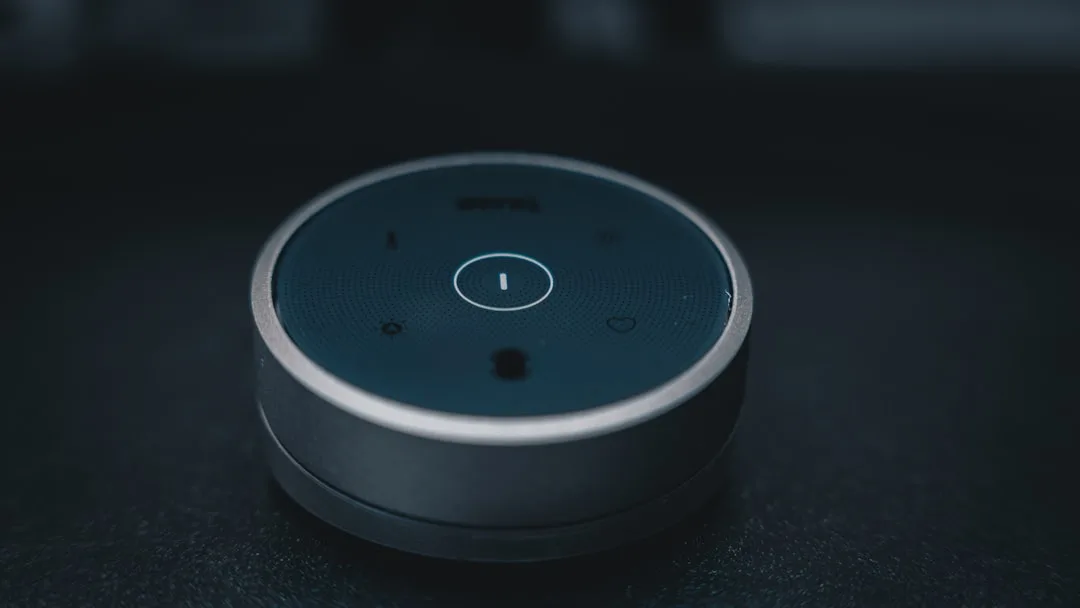
The surge in AI-powered gadgets is chiefly driven by tech behemoths like Google, Amazon, and Apple, alongside innovative startups. Each company is leveraging its unique strengths to embed AI into consumer electronics. For instance, Google’s Assistant and Amazon’s Alexa have revolutionized smart home devices, making voice interaction seamless and intuitive. Apple, on the other hand, is integrating AI into its hardware and software ecosystems, promising smarter and more adaptive user experiences.
Companies like Sonos and Ecobee are also noteworthy players, seamlessly integrating AI into smart speakers and thermostats, respectively. Startups such as Wyze are disrupting the market by providing affordable AI-driven home security solutions.
The implications of AI-powered gadgets are profound across several dimensions:
For those interested in the development and integration of AI in gadgets, exploring our article on AI Integration Strategies for Startups can provide further insights into successful implementation tactics.
The trajectory of AI-powered gadgets is clear: they will become even more entrenched in our daily routines. The real game-changer will be the development of cross-compatible ecosystems where different devices, regardless of brand, can communicate and collaborate seamlessly. This evolution will require industry-wide standards and open platforms, fostering an environment where innovation thrives and consumer choice is prioritized.
Furthermore, as these gadgets become more sophisticated, ethical considerations around data privacy and AI decision-making will take center stage. Companies will need to prioritize transparent practices and robust security measures to maintain consumer trust.
The enthusiasm around AI-powered gadgets is justified, but it’s crucial to approach this trend with a balanced perspective. While the convenience and efficiencies offered by smart devices are undeniable, the dependency on AI requires careful consideration of privacy and ethical implications. Drawing parallels to the smartphone revolution, the current AI wave is set to redefine user interaction paradigms, with long-term societal impacts. The key will be in ensuring these advancements do not exacerbate digital divides but instead foster inclusivity and accessibility.
For developers and founders, the next logical step is to engage actively with AI technologies, perhaps by testing AI APIs or participating in beta programs for new smart devices. Keeping abreast of trends via platforms like AI Buzz and CoreAiTips will provide valuable insights into emerging technologies and practices. Additionally, exploring partnerships with AI-focused startups can offer fresh perspectives and innovations.
For consumers, embracing smart technology in a manner that aligns with their lifestyle and values will be key. Whether it’s through upgrading to smart home devices or exploring AI-powered personal assistants, the goal should be to enhance, rather than complicate, daily life.