Newsletter Subscribe
Enter your email address below and subscribe to our newsletter
Enter your email address below and subscribe to our newsletter

AI Revolution: How Generative Models are Reshaping Creativity
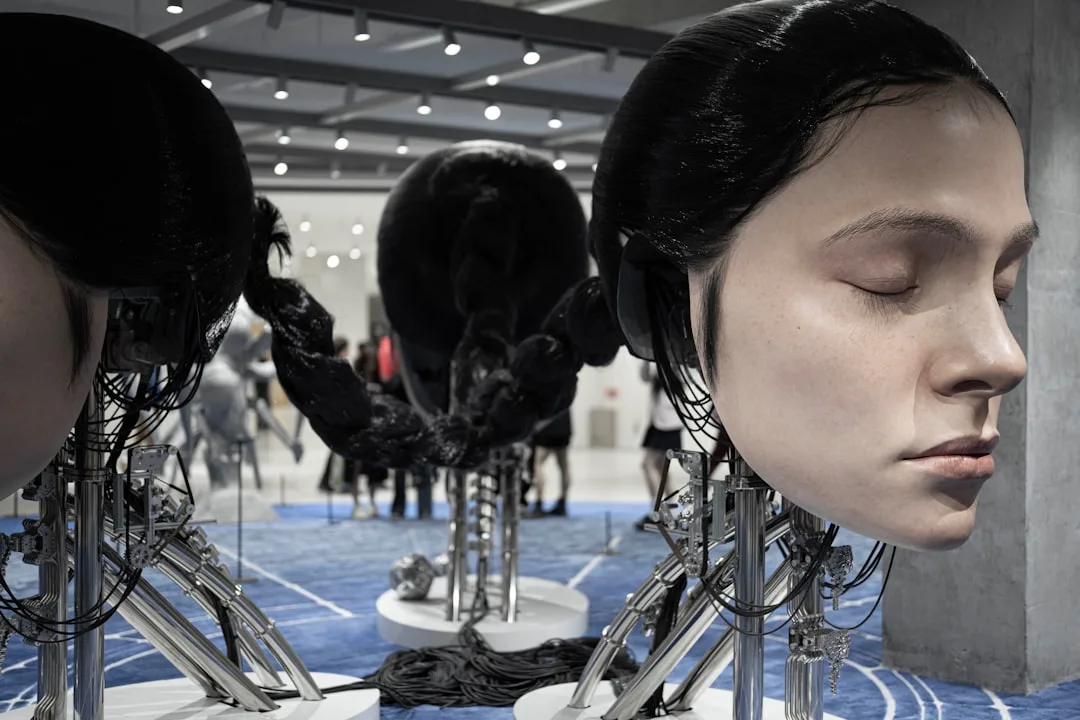
In an era where technology and innovation continue to disrupt traditional paradigms, generative AI models are at the forefront, transforming the landscape of creativity across industries. These models are not only redefining artistic expression but also reshaping how businesses approach content creation, design, and problem-solving. This post delves into the impact of generative AI on creativity, exploring the driving forces behind this revolution and its profound implications.
The surge in generative AI’s popularity can be attributed to the advancements made by several key players in the tech industry. Companies such as OpenAI, Google, and NVIDIA have been pivotal in developing sophisticated generative models like GPT-3, DALL-E, and StyleGAN. These models are designed to create content that mimics human creativity, ranging from text and images to music and even 3D models.
OpenAI, for example, has been instrumental with its GPT-3 model, which can generate human-like text and has been used in various applications, from chatbots to content generation. Similarly, Google’s research into generative adversarial networks (GANs) has led to breakthroughs in image synthesis, enabling machines to generate hyper-realistic visuals.
The influence of generative AI extends across numerous industries, providing both opportunities and challenges:
For more insights on the intersection of AI and creativity, check out our previous post on AI-Powered Design Tools.
While the potential of generative AI is vast, it is not without its criticisms and challenges. Some experts argue that reliance on AI for creative tasks may stifle human creativity, as individuals become dependent on machines for inspiration and output. Additionally, ethical concerns arise around authorship and originality, as the line between human and machine-generated content blurs.
Despite these challenges, generative AI offers a unique opportunity for collaboration between humans and machines. By automating repetitive tasks, AI allows creatives to focus on higher-level concepts and innovation. Moreover, AI-generated content can serve as a starting point, providing inspiration and freeing up time for more creative endeavors.
As generative AI continues to evolve, it’s crucial for developers, businesses, and creatives to stay informed and explore these technologies:
In conclusion, generative AI is reshaping the creative landscape, offering new tools and opportunities for artists, businesses, and developers alike. By understanding and harnessing these technologies, we can unlock new forms of expression and redefine the boundaries of creativity. As the AI revolution continues, the possibilities for innovation and collaboration are boundless, urging us to rethink what it means to be creative in the digital age.