Advertisement

AI Agents Vulnerable to Data Leak via Poisoned MCP Tools
Microsoft warns that malicious tool descriptions for AI agents can lead to stealthy data exfiltration, bypassing security controls by mimicking routine actions.

GuardFall: Shell Injection Risks in Open-Source AI Coding Agents
GuardFall bypass exposes 10 of 11 popular open-source AI coding agents to decades-old shell injection vulnerabilities. Understand the threat and mitigation.

Securing Autonomous AI Agents: Identity Governance Challenges
AI agents are rapidly deployed in enterprises, inheriting permissions and operating autonomously. Existing identity governance, designed for humans, creates a critical
AI Agents: The Emerging Identity & Governance Challenge
Unmanaged AI agents pose significant security risks by operating as uncontrolled identities with access to sensitive enterprise systems. Learn mitigation strategies.
AI Agentic Threats: Countering Automated Attacks with AI-Driven Defense
The rise of AI agents introduces new attack vectors. Enterprises must adopt AI-driven agentic defenses to counter automated reconnaissance, exploitation, and evasion
AI Agent Risk Categorization: Prioritizing Autonomy and System Access
Runtime Rebel details Token Security's framework for categorizing AI agent risk based on autonomy and system access, guiding CISOs on prioritization.
Securing AI Agents: Threats & Defenses with Falcon AIDR, NeMo Guardrails
Explore threats to AI agents like prompt injection and data poisoning. Learn how CrowdStrike Falcon AIDR and NVIDIA NeMo Guardrails defend against AI-specific attacks.
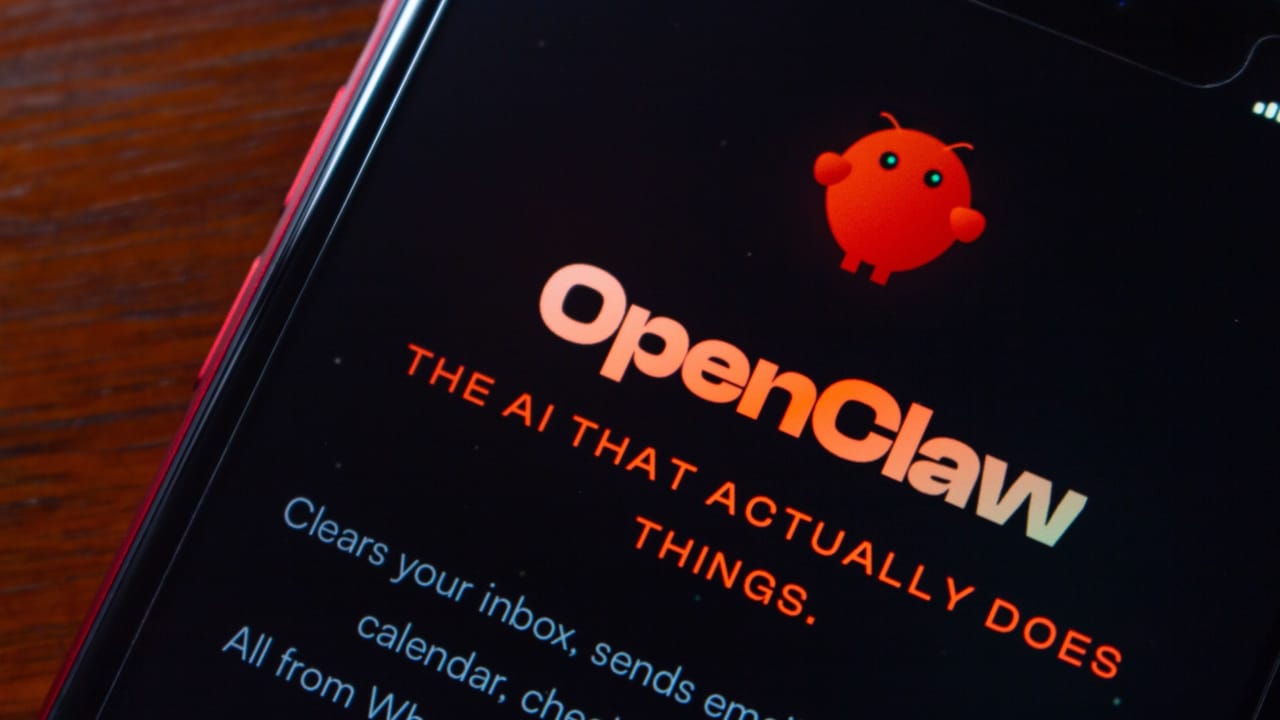
Critical OpenClaw Flaw in AI Agents: Risks and Remediation Guide
A critical OpenClaw vulnerability in widely adopted AI agents could lead to severe security risks. Understand the impact and crucial remediation steps.
Claude Code Weaponized in Mexican Government Cyberattack
Analysis of how threat actors leveraged Anthropic’s Claude Code to automate exploitation and exfiltrate 150GB of data from Mexico's infrastructure ministry.