Advertisement
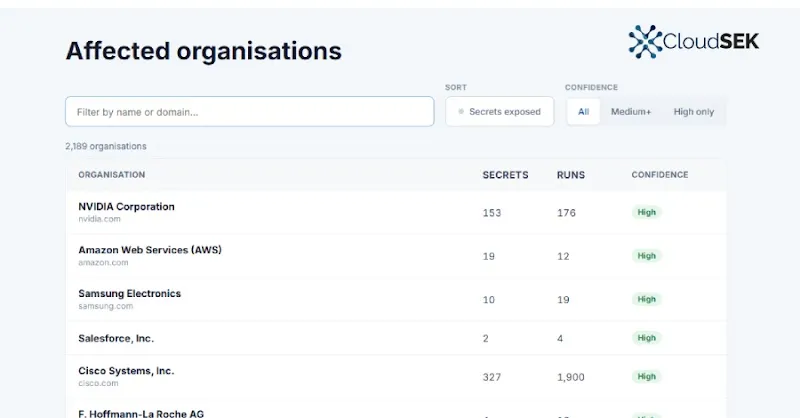
Malicious LiteLLM PyPI Releases Steal Cloud Credentials via TeamPCP
Malicious LiteLLM PyPI releases 1.82.7 and 1.82.8 exfiltrated cloud keys, SSH keys, and tokens from 2,100+ organizations in the TeamPCP supply chain campaign.

Solidity Pro VS Code Extensions Steal Crypto Wallets & Credentials
Malicious 'Solidity Pro' VS Code extensions steal crypto wallets, API keys, and credentials, using delayed activation to evade detection. Immediate removal is advised.
Zero-Click AI Browser Hacking Threatens Claude and ChatGPT Atlas
Zenity details zero-click indirect prompt injection vulnerabilities affecting OpenAI ChatGPT Atlas and Claude in Chrome via malicious web content.
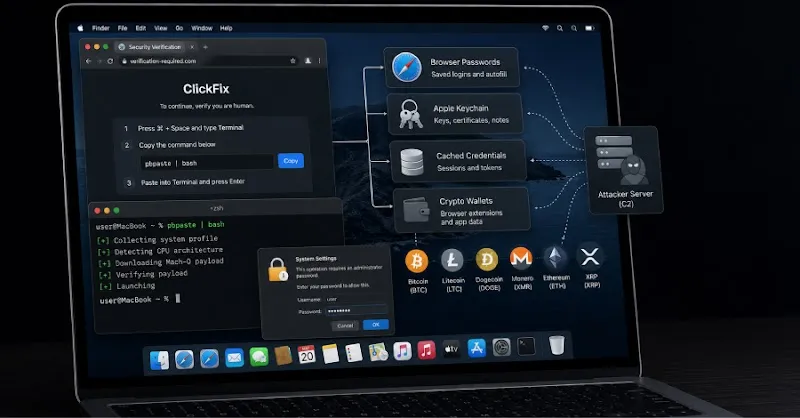
ClickFix Attacks Deliver macOS Stealer Targeting Crypto
ClickFix social engineering campaigns target macOS users with Go-based infostealers designed to drain cryptocurrency wallets and credentials.

Vidar Stealer & XMRig Campaign Leverages Malvertising, AMSI Bypass
Financially motivated campaign delivers Vidar stealer and XMRig miner via malvertising for cracked software, targeting consumers and SMBs globally.
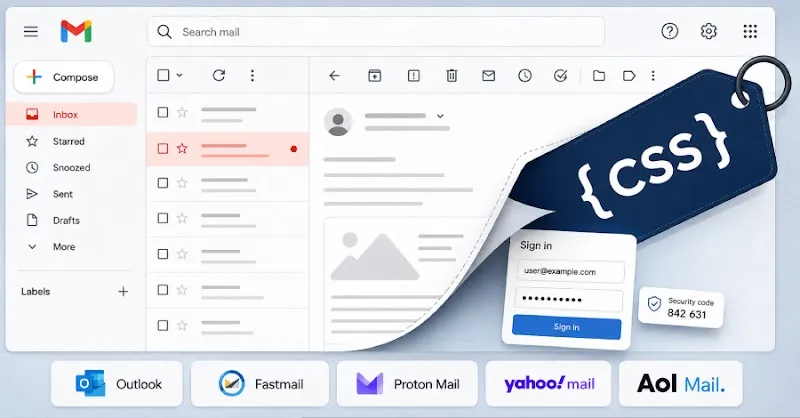
New CSS Attacks Break Webmail Interfaces to Steal Credentials
PortSwigger researchers revealed new CSS and HTML techniques breaking webmail defenses in Outlook, Gmail, and Yahoo to capture tokens and passwords.
Advertisement

UAT-11795 Deploys Starland RAT & WLDR Agent in Financial Campaign
UAT-11795, a Russian-speaking financially motivated adversary, uses Starland RAT and the WLDR C2 agent to target credentials and crypto in the U.S. and Europe.

Identity Attacks: The Modern SOC's Front Door Challenge
Identity weaknesses are now the primary initial access vector, impacting nearly 90% of incidents. Learn how to detect and mitigate identity-driven attacks.

Emerging Cyber Threats and Espionage Risks in Neurotechnology
Examine growing security threats to neurotechnology and brain-computer interfaces, focusing on IP theft, biometric data collection, and state-sponsored espionage.

ChainDrop npm Worm: Self-Propagating Software Supply Chain Threat
Analyze the ChainDrop self-propagating npm worm infecting major packages, harvesting credentials from memory, and compromising CI/CD pipelines.
UNC6671 Rebrands: Multi-Brand Vishing and Cloud Extortion
Google Threat Intelligence Group tracks UNC6671 shifting through Redact, Pink, Helix, and Falcon extortion brands while targeting cloud environments.
Canadian Threat Actor Pleads Guilty in Snowflake Extortions
Connor Riley Moucka pleaded guilty to computer fraud and extortion involving 165 Snowflake client organizations and AT&T customer records.
Snowflake Hacker Pleads Guilty: Analyzing the UNC5537 Data Breach
Hacker pleads guilty in UNC5537 Snowflake data breach, compromising 165 organizations and millions of records via stolen credentials.

AI Token Jacking: How Cybercriminals Steal API Keys for Profit
Discover how attackers use AI token jacking to steal API keys, fuel underground transfer stations, and cause massive financial losses.
Keyv npm Supply-Chain Attack: Worm Infection and Dead-Man Switch
Analyze the Keyv/cacheable npm supply-chain worm, its AI agent execution vectors, and why immediate credential revocation can trigger payloads.
Automated SSH Actors Achieve Persistence in 22 Seconds
Analysis of a Cowrie SSH honeypot reveals automated threat actors moving from credential compromise to system persistence in just 22 seconds.

Talos Q2 2026 Report: Phishing and Living-off-the-Land Trends
Cisco Talos Q2 2026 report reveals spikes in MFA-bypassing phishing and malicious use of remote management tools.
Ransom Cartel Ransomware Creator Sentenced to 16 Years in Prison
Maksim Silnikau, creator of the Ransom Cartel ransomware operation, receives a 16-year prison sentence following international law enforcement cooperation.
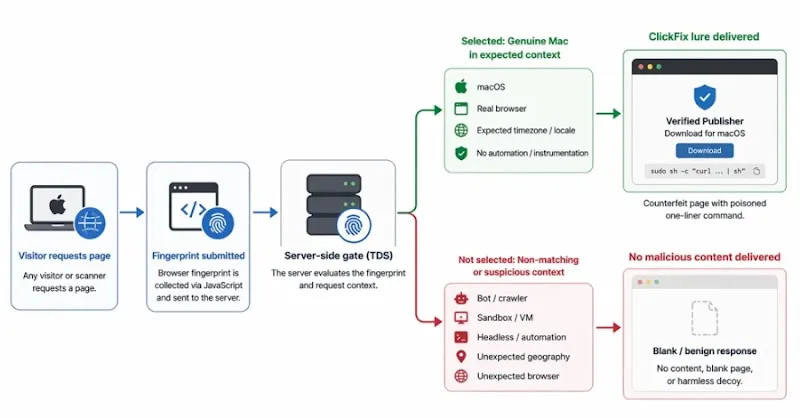
ClickFix Campaign Uses Server-Side Fingerprinting to Hide macOS Malware
Over 250 ClickFix domains utilize server-side browser fingerprinting to evade security sandboxes and distribute macOS infostealers like AMOS.
Pass-ta-key Attacks Hijack Google-Synced Passkeys on Windows
Researchers uncover Pass-ta-key attack methods that allow malware to hijack passkey-protected accounts on Windows without user interaction.

Smoke#Screen RMM Takeover Campaign Targets Enterprise Networks
Discover how the Smoke#Screen phishing campaign uses rotating payloads and ScreenConnect to achieve persistent remote network access.

Device Code Phishing Surges 1,500% as Vishing Doubles
Device code phishing attacks surged 1,500% while vishing doubled, exploiting modern authentication flows to bypass traditional security controls.
Hotel Wi-Fi Campaigns Use CornFlake and ChocoShell Malware
Russian threat actor Midnight Blizzard targets hotel Wi-Fi networks using captive portal manipulation, DNS hijacking, and custom malware.
Phishing Targets AI Service Users: Guard Your ChatGPT Accounts
Recent phishing campaigns impersonate popular AI services like ChatGPT to trick users into divulging credentials. Learn how to protect your accounts and data.